
Misinformation, Advisory Capacity and the Broader Role of EAS in Rural Resilience
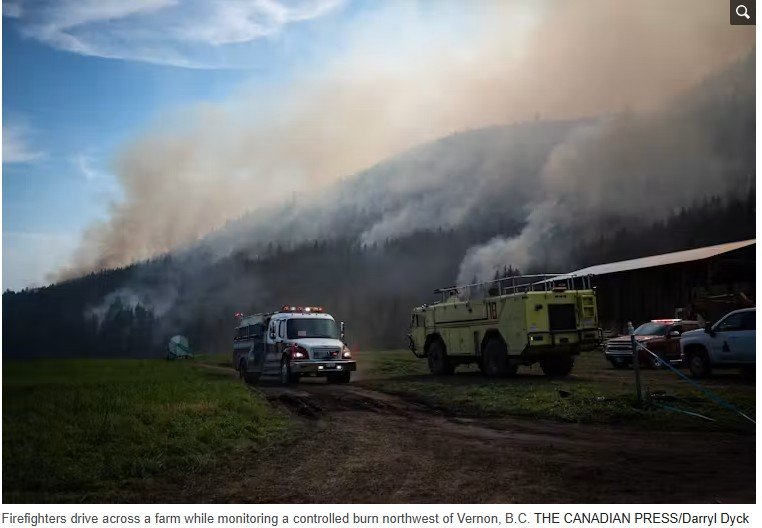
University of Guelph researchers are highlighting a growing challenge for agriculture and rural communities: misinformation can weaken the advisory capacity farmers depend on during crises. In a new The Conversation article, Ataharul Chowdhury and Khondokar H. Kabir, with Ranjan Datta of Mount Royal University, show how wildfire misinformation and online toxicity can crowd out credible expertise. In their Ontario study, 60% of surveyed agri-food professionals said they encountered misinformation often or very often, and many had reduced or stopped using social media platforms—raising concerns about what happens when trusted experts withdraw from the spaces where farmers increasingly seek advice.
The article argues that strengthening Extension and Advisory Services (EAS) is not only about improving farm-level decision-making. EAS should be understood as part of the broader infrastructure for rural resilience and development—helping communities navigate misinformation, prepare for disasters, adapt to climate risks, recover economically and maintain trusted knowledge networks. This connects with recent University of Guelph work on food security, which also calls for stronger advisory systems and better capacity to navigate digital platforms, misinformation and AI-based advice. Together, these articles make the case that EAS is essential not only to agriculture, but also to the long-term resilience and development of rural communities.
